
People have been preserving food for thousands of years using a variety of different techniques. The basic principles of food preservation aim to prevent spoilage. Usually this is caused by bacteria and other micro-organisms that break down the food. Preserving food techniques slow down and stop the activity of these micro-organisms in a variety of ways. They may make the environment hostile for bacteria, such as adding vinegar when pickling food, which creates an acidic environment. Or a process such as fermentation makes use of ‘good’ bacteria in a high salt-low oxygen environment, to make food uninhabitable for ‘bad’ bacteria.
Here is a listing of some of the different types of food preservation methods:
What is Fermenting?
Lacto-fermentation is about creating an environment in the food which allows beneficial bacteria to grow, shutting out the bad bacteria which would spoil the food. Some processes use salt and keeps the food sealed, in an oxygen-free environment, which allows the good bacteria to convert the sugars in the vegetables into lactic acid. This low pH environment is not only a preservative for food, it also provides a lovely sour flavour. Other processes make use of beneficial moulds, yeasts and bacteria.
Fermented foods are also really good for you because they contain probiotics – which are fantastic for your gut health, providing a diversity of gut flora. Fermented foods include:
Kimchi and sauerkraut and other fermented vegetables are easy to make and have a lovely sour flavour.

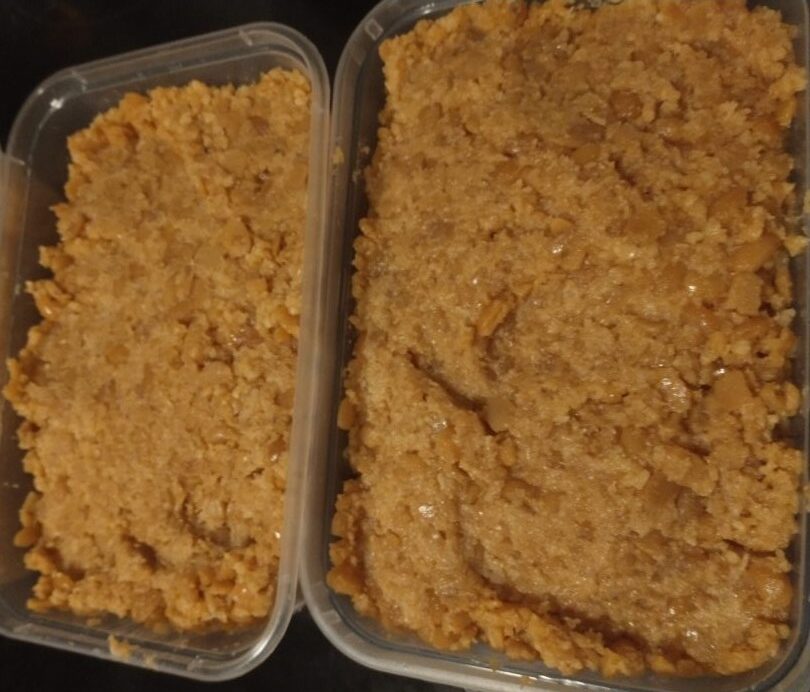
Miso – fermented soy beans using a particular type of mould, Aspergillus oryzae, which provides a lovely umami flavour.
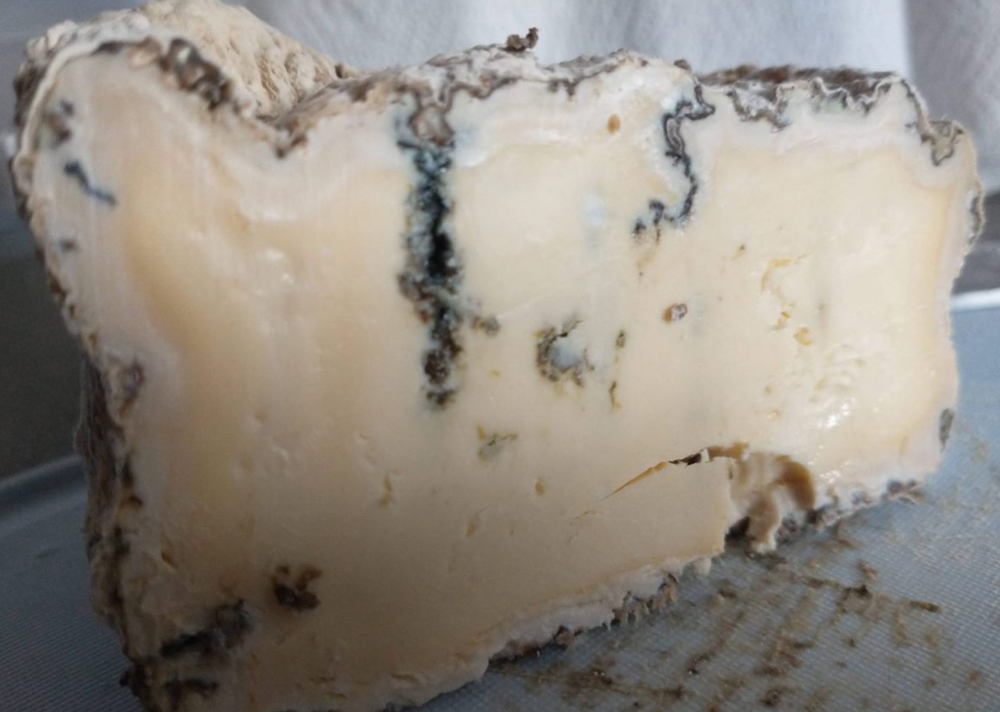
Yoghurt and kefir are foods that contain live cultures. Cheese is also a fermented food. It needs a starter culture.
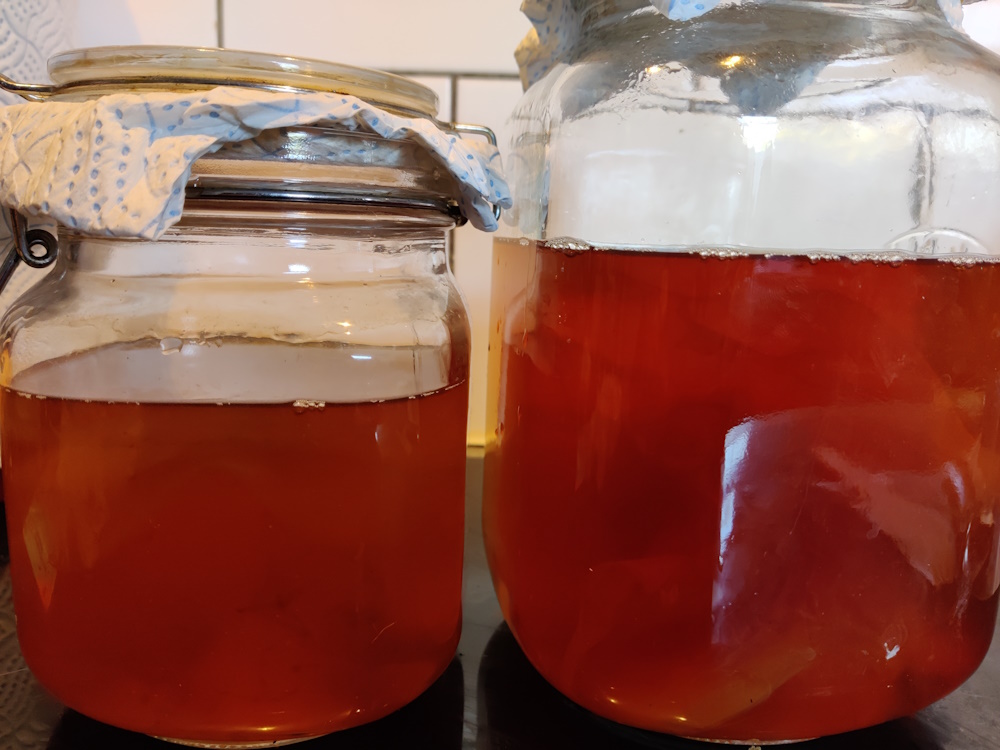
Kombucha is a fermented food that uses a SCOBY (symbiotic culture of bacteria and yeast) which ferments sugared tea into a sour drink. Scobies look a bit like an alien in a jar!
What is Pickling and Brining?
The process of pickling provides an acidic environment which is hostile for bad bacteria. The food is immersed in acid such as vinegar or an acidic brine. Pickled foods will have a very sour flavour. You can also make your own vinegars.
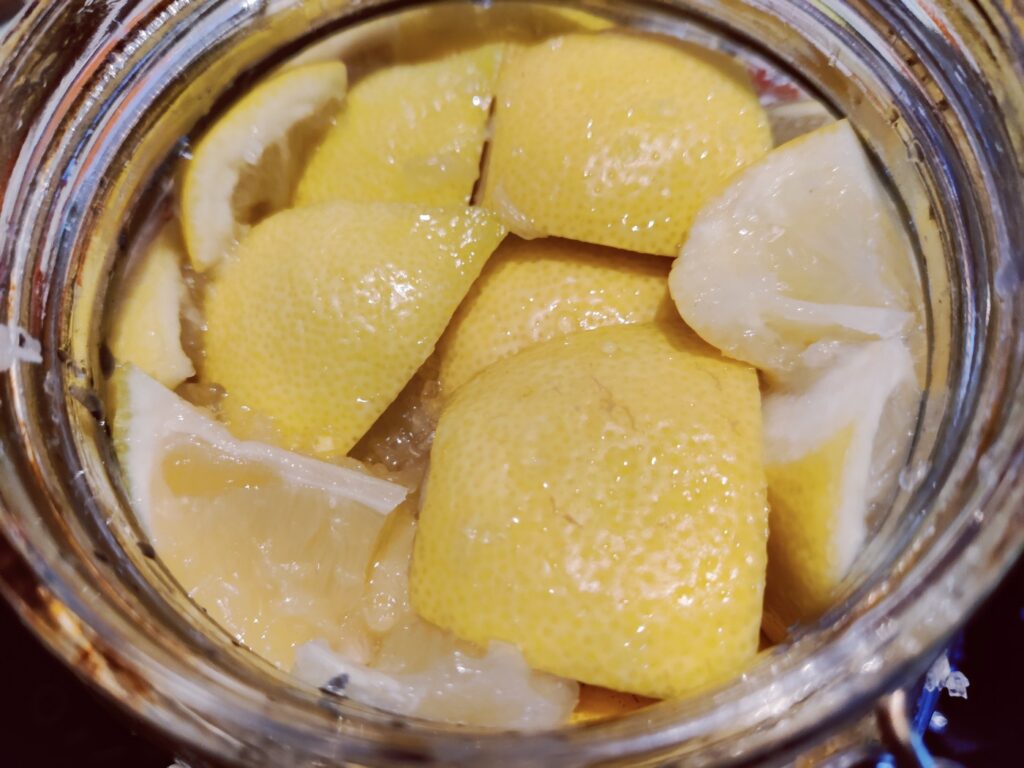
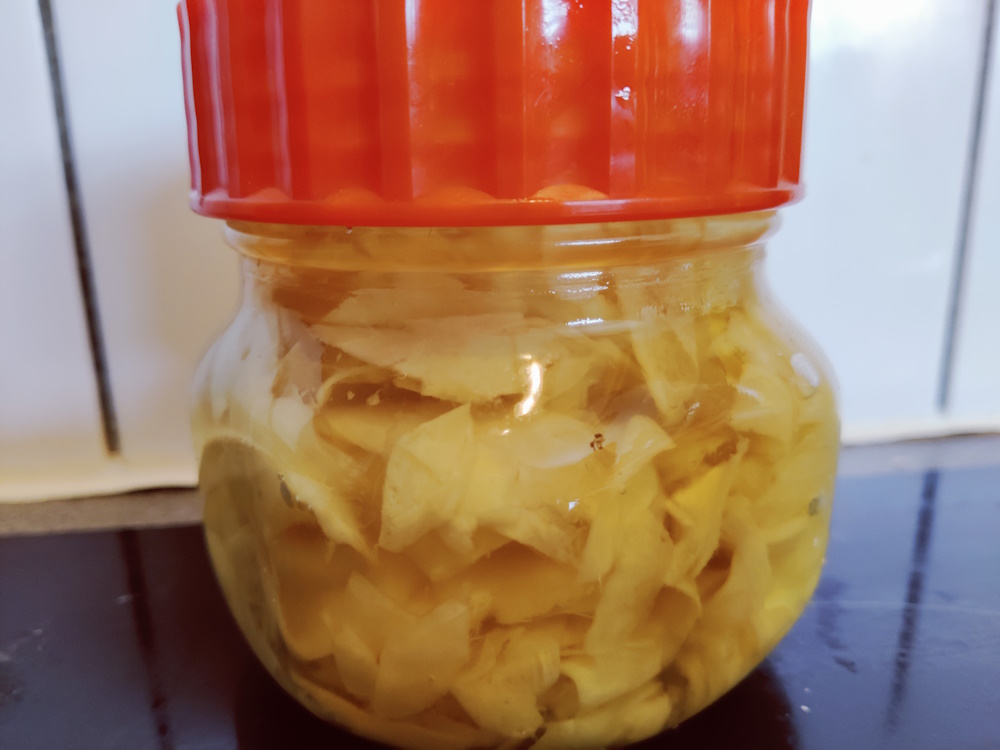
Brining involves immersing the food in a salty brine solution which preserves it. Brining can be a part of the pickling process.
What is Canning?
The process of canning involves putting food into sterilised jars and sealing them. The jars are then immersed in water and heated to kill off any nasty micro-organisms. Because the jars are sealed nasty bacteria can’t get inside and spoil the food.
What is Freezing?
Since the advent of modern refrigeration, the freezer has become an essential appliance in many kitchens. Freezing is a great way for preserving food by reducing its temperature and hence sending microbes into a dormant state so that they can’t reproduce and spoil the food.
Food that has been preserved by freezing should not be refrozen. If the food comes up to room temperature the bacteria can start multiplying again, so food should be eaten or cooked once it has defrosted. (It’s okay to refreeze food that had been frozen and has now been cooked.)
What is Dehydrating?
Dehydrating removes moisture from the food and hence reduces the ability for bacteria and mould to grow. There are various dehydration methods. Some involve equipment such as dehydrators, others are as simple as drying food in the sun or air drying. You can also dry foods in the oven on a low heat.

What is Alcohol Preservation?
Alcohol is a great preservative because bacteria can’t survive in it, especially spirits that have an ABV of 40%.
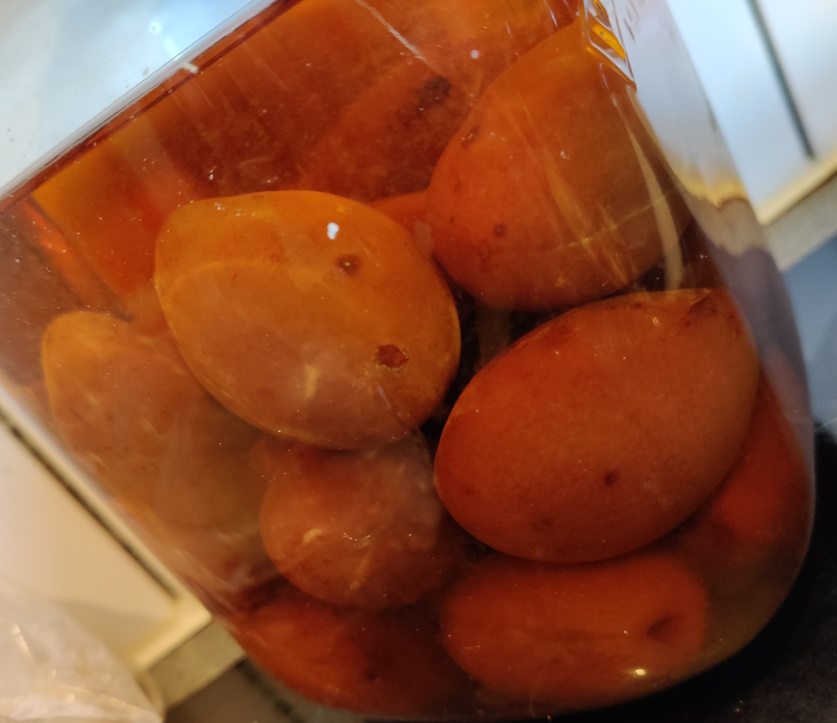
We often preserve fruit in alcohol. It lasts for ages and also has the effect of flavouring the alcohol so you get two benefits for the price of one.
What is Sugar Preservation?
Sugaring is similar to pickling in that food is immersed with sugar. This means that the bad bacteria lose water by osmosis and can’t reproduce. Jams and jellies are typical examples of using sugar to preserve fruit.
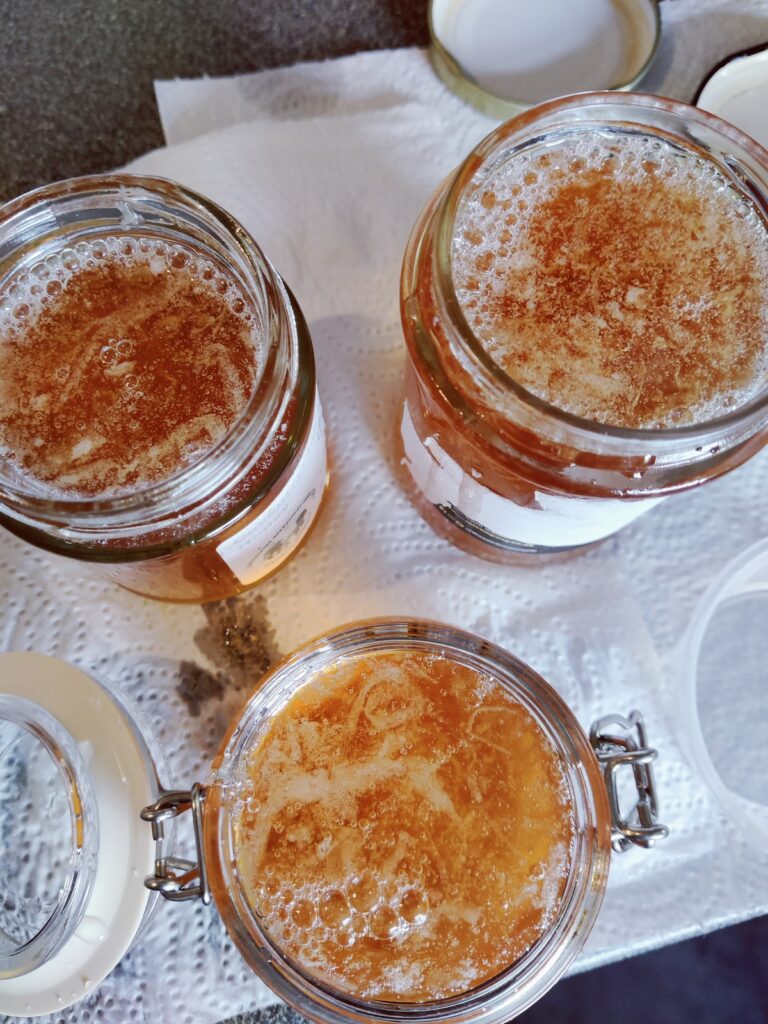
These do need to be kept sealed as moulds can get into the jar and these do like feasting on jams and, sadly, that means you’ll have to ditch your preserve.
What Is Alcohol Fermentation?
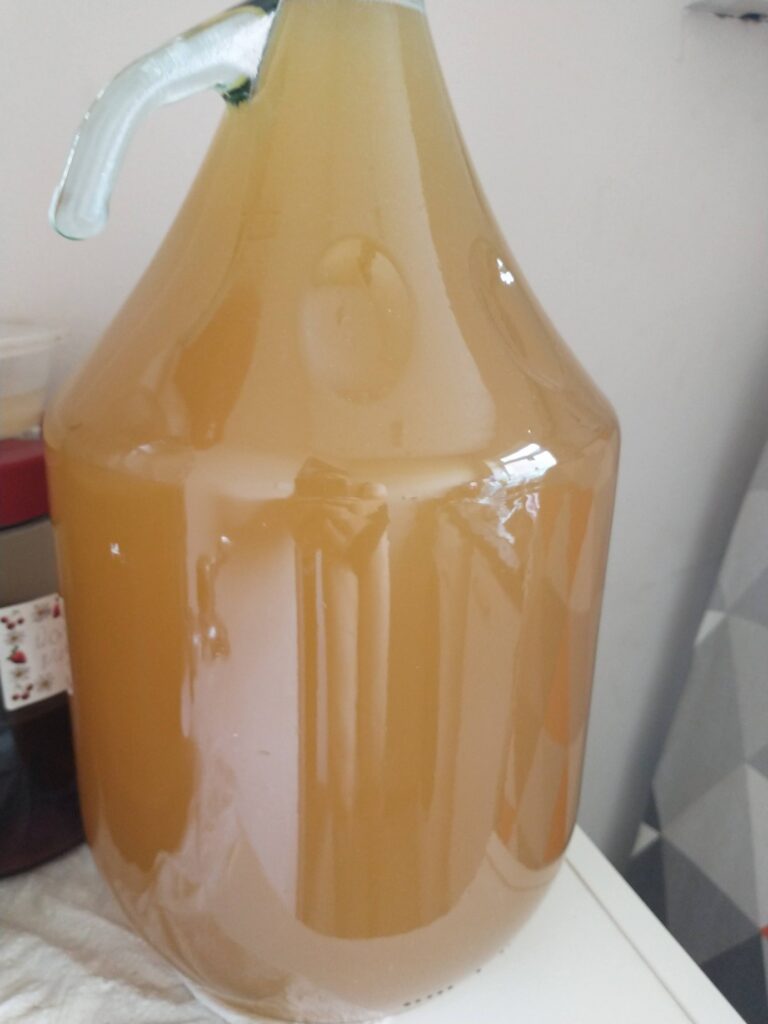
Fermenting alcohol is a process where microorganisms such as yeast convert sugar into alcohol and carbon dioxide. Making wine or cider is a fantastic way to preserve fruit – especially if you enjoy a tipple! This is an anaerobic process which doesn’t require oxygen. If you are making vinegar you need alcohol first, so even if you don’t drink, you can enjoy the process of fermenting alcohol and go on to make some amazing vinegars which will taste divine in your cookery.
Principles of Food Preservation – Important Safety Notes
While preserving your own food can be delicious and fun, you do need to make sure it is safe. Sometimes the preserving process might not go as well as you want – maybe some air leaked into the jar, the bad microorganisms started breeding and you see fuzzy mould on your food.
If see any mould on your food you should throw it away or put it on the compost. It’s heartbreaking, especially if you have waited some time for the food to ferment or have spent a while preserving and canning. Mould is fuzzy and usually comes in a white, green or black colour.
You might be tempted to scrape the mould off the food. However, we advise against this – by the time you see the mould, its spores will have infiltrated the jar. The mould or bacteria could make you very sick, so please, for safety’s sake, throw it away.
It we have had bad luck with a jar, we will put the remnants on the compost, so that it doesn’t go totally to waste.
Freezer Safety
Freezing and refreezing – you should never refreeze frozen food that has been left at room temperature for any length of time. Bacteria may have had a chance to reproduce at warmer temperature, then could go into suspended animation only to do harm when they are rethawed again. It is okay to cook previously frozen food and refreeze it.
You need to make sure that the equipment you are using is clean. In some cases, this means that you should sterilise it, in others, a really good wash with soapy water will be fine.
Storage Safety
Preserved foods can last for many months, even years, but you have to make sure your storage vessel is scrupulously clean. The last thing you want after you have made your beautiful preserve is for it to go mouldy. You should sterilise jars for storage. Wash them first in hot soapy water, rinse and then fill them with boiling water from a kettle. We then put them in the oven on a very low heat for a few minutes to dry out. This will mean that the jars will be sterile and safe for use.